
The Intestinal Barrier: A Rational Therapeutic Target.
A differentiated approach designed to act locally in the gut, upstream of immune activation.
When the intestinal barrier fails
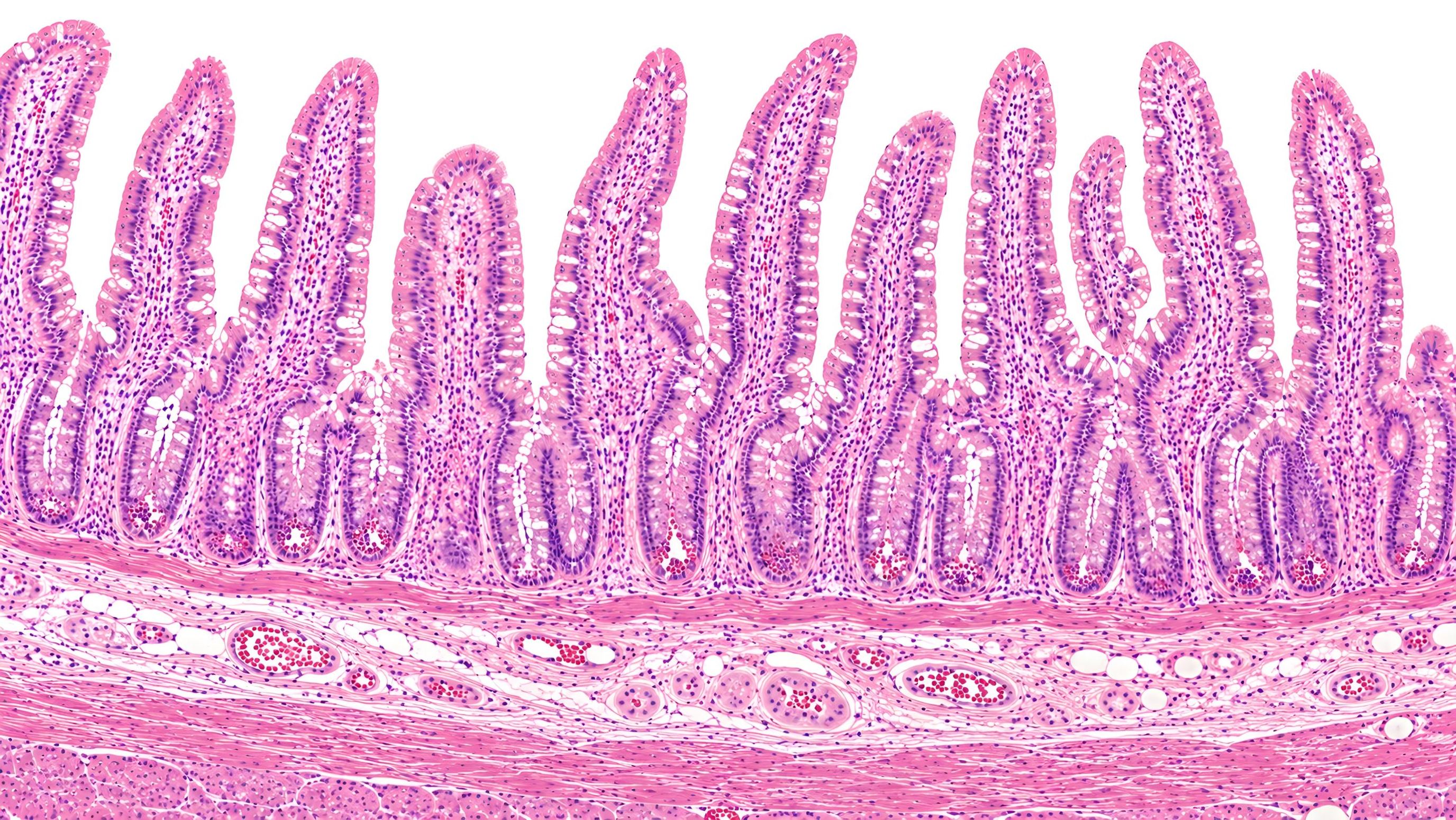
The small intestine is lined with a single layer of cells that absorbs nutrients while acting as a protective barrier against bacteria, toxins, and other harmful substances. Tight junctions seal the spaces between these cells and regulate what can pass between them.
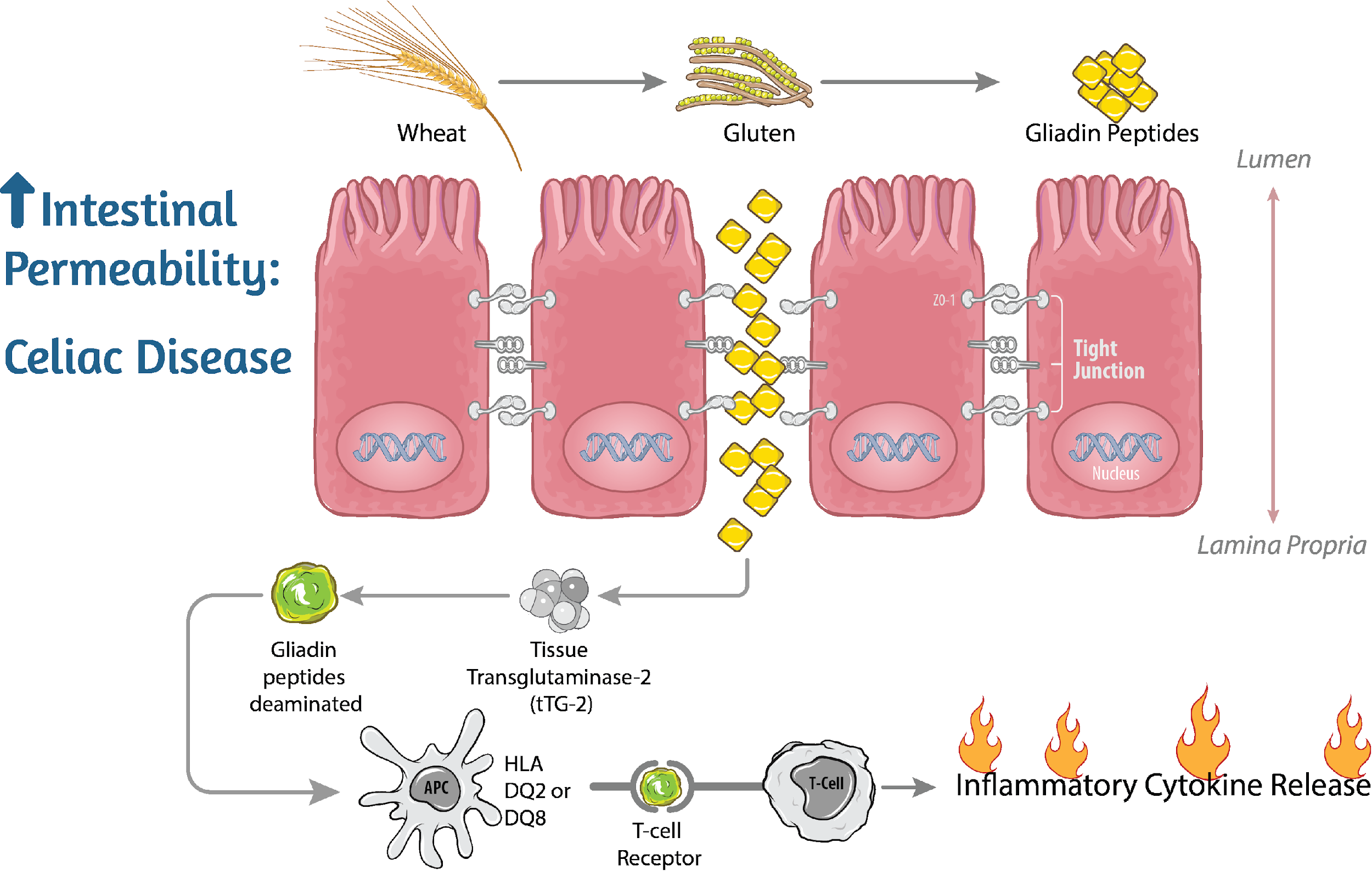
In celiac disease, even trace amounts of gluten can disrupt this protective barrier.
- Gluten triggers the release of zonulin, a protein that signals tight junctions to open.
- Gliadin peptides, gluten fragments that resist digestion, cross the intestinal lining.
- In the tissue beneath, they activate an immune response that causes inflammation and intestinal damage.
- The weakened barrier lets more fragments through, perpetuating the cycle.
Over time, intestinal damage can lead to diarrhea, abdominal pain, fatigue, impaired nutrient absorption, and long-term complications such as iron-deficiency anemia and osteoporosis. Even while following a gluten-free diet, many people continue to experience symptoms, and some have persistent intestinal damage. Over the long term, persistent intestinal damage has been associated with an increased risk of other autoimmune diseases and certain cancers, including intestinal lymphoma.
The cycle of barrier breakdown
- Gluten exposure
- Breakdown of tight junctions and increased intestinal permeability
- Gliadin peptides cross the intestinal barrier
- Immune activation and inflammation
- Mucosal (intestinal) injury
A self-perpetuating cycleEach exposure weakens the barrier, letting more gluten fragments through.
Acting upstream, at the intestinal barrier
Celiac disease involves genetic susceptibility, exposure to gluten, and loss of intestinal barrier function. Genetic susceptibility cannot be modified, and complete avoidance of gluten is rarely achievable in daily life, making the intestinal barrier a rational and largely unexploited therapeutic target.
While many investigational therapies target the immune response, larazotide acetate is designed to act earlier by helping maintain the intestinal barrier and limiting gluten passage before an immune response is triggered, without suppressing the immune system.
Larazotide acetate: designed to protect the intestinal barrier in celiac disease
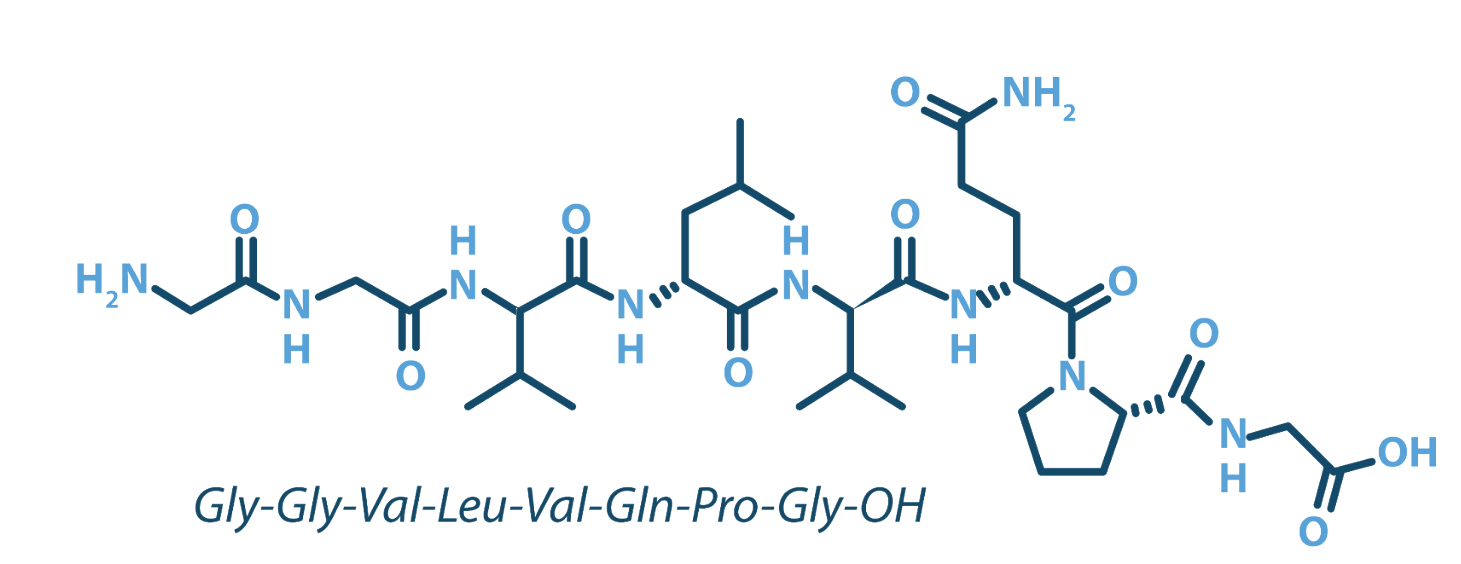
Larazotide acetate is an investigational, first-in-class oral gut-restricted tight junction regulator designed to help protect the intestinal barrier from the effects of gluten exposure in people with celiac disease, alongside a gluten-free diet. This eight-amino-acid peptide is designed to act locally in the small intestine by regulating tight junctions between intestinal cells. By helping maintain the intestinal barrier, larazotide is designed to reduce gluten-induced intestinal permeability and prevent downstream immune activation, inflammation, and intestinal injury.
Meet larazotide acetateLarazotide is being developed to:
- Help protect the lining of the small intestine from damage caused by accidental gluten exposure
- Help preserve the structure of the intestinal lining and symptom control when gluten exposure occurs
- Act locally in the gut, without suppressing the immune system
- Be taken before meals as a daily addition to the gluten-free diet, not a replacement for it
More Than a Decade of Clinical Development
Phase 1 and Phase 2 studies provided clinical proof of concept for larazotide, characterized its safety profile, and identified the population and endpoints most appropriate to its mechanism. Across the program, larazotide has been generally well tolerated, with adverse events generally similar to placebo. These insights informed the design of our Phase 3 trial, CeD-LA-3002.
In a 12-week, randomized, double-blind, placebo-controlled Phase 2b trial of 342 adults with persistent symptoms despite a gluten-free diet, results for larazotide 0.5 mg compared with placebo included:
- Primary endpoint met: the 0.5 mg dose reduced celiac disease gastrointestinal symptoms compared with placebo (CeD-GSRS; ANCOVA p=0.022; MMRM p=0.005). The 1 mg and 2 mg doses did not differ from placebo.
- 26% fewer symptomatic days*
- 31% more improved-symptom days*
- 2× the proportion of patients with a ≥50% reduction in abdominal symptom scores for at least 6 of 12 weeks (28.6% vs. 14.3%)*
- Generally well tolerated: safety and tolerability comparable to placebo at all doses, with no drug-related serious adverse events
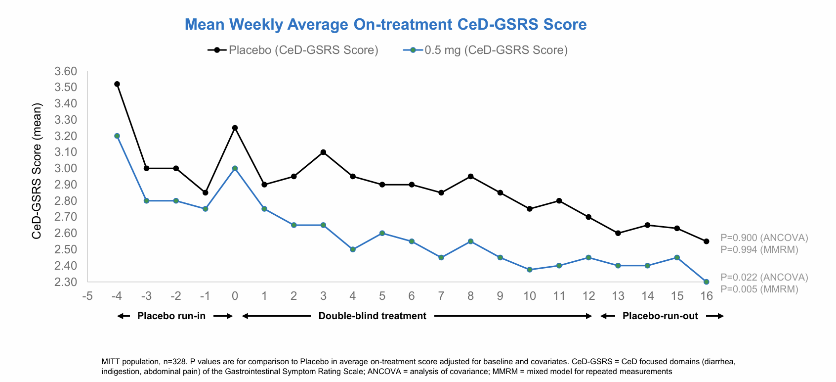
* Exploratory endpoints; hypothesis-generating.
A prevention-focused Phase 3 trial
Building on these results, Interlude is advancing CeD-LA-3002, a prevention-focused Phase 3 clinical trial designed to evaluate whether larazotide acetate can help prevent intestinal damage caused by accidental gluten exposure in people with celiac disease. The trial is expected to enroll its first participant in the first quarter of 2027.
Learn more about the Phase 3 Celiac Disease Trial: CeD-LA-3002Larazotide acetate is an investigational product that has not been approved by the U.S. Food and Drug Administration (FDA) or any other regulatory authority for any indication, and its safety and efficacy have not been established.